An aircon maintenance contract in Singapore is meant to keep your cooling system in steady working condition through recurring care, rather than waiting for problems to build up. For HDB flats, condominiums, landed homes and smaller offices, the exact scope should be clear from the start so you know what is covered, how often the unit will be checked, and when a deeper cleaning method may be suggested based on the unit’s actual condition.
What a maintenance contract is meant to cover
A proper aircon maintenance contract focuses on preventive care. In practical terms, this usually means scheduled servicing visits, routine inspection of the indoor unit, and cleaning of accessible parts that commonly collect dust and grime. The aim is to reduce avoidable wear, keep airflow reasonable, and catch visible issues early before they become inconvenient.
In Singapore homes, this is especially useful because air conditioners are often used daily in warm and humid conditions. A contract helps you plan servicing at regular intervals instead of arranging one-off work only after weak airflow, water dripping, or unpleasant smells become noticeable.
Typical inclusions in a servicing contract
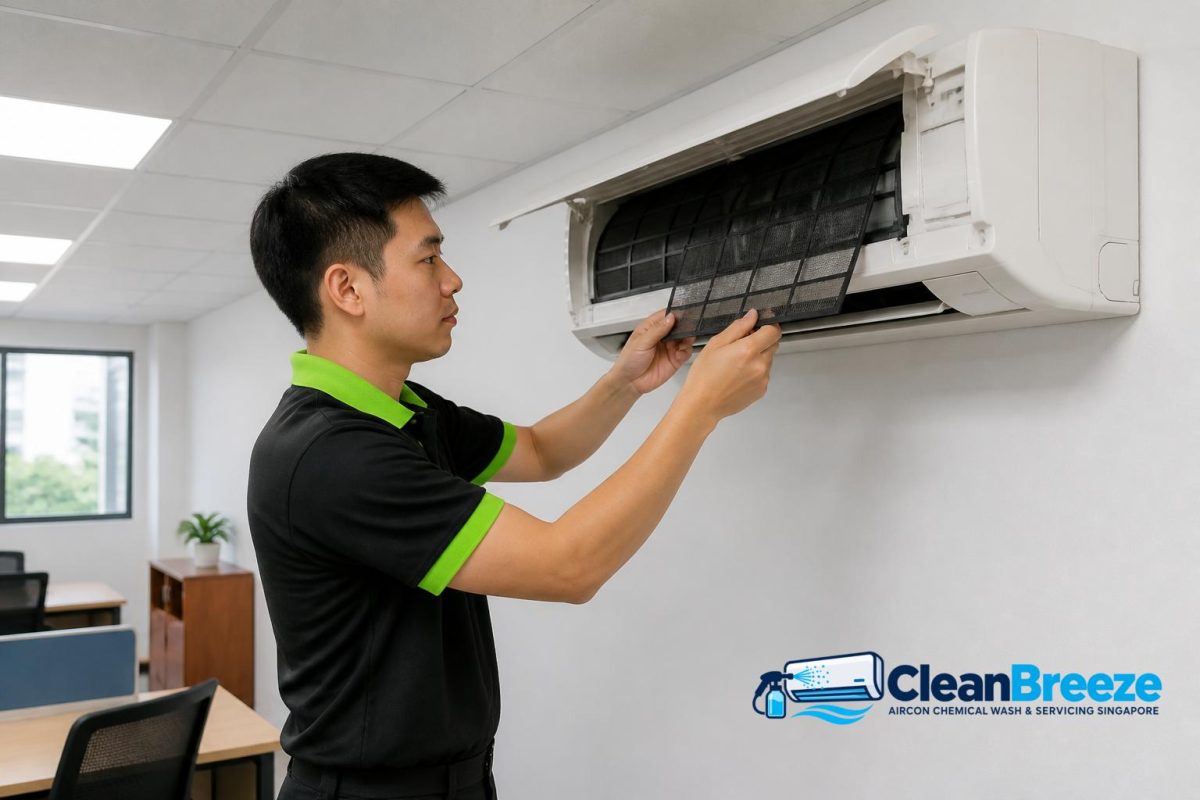
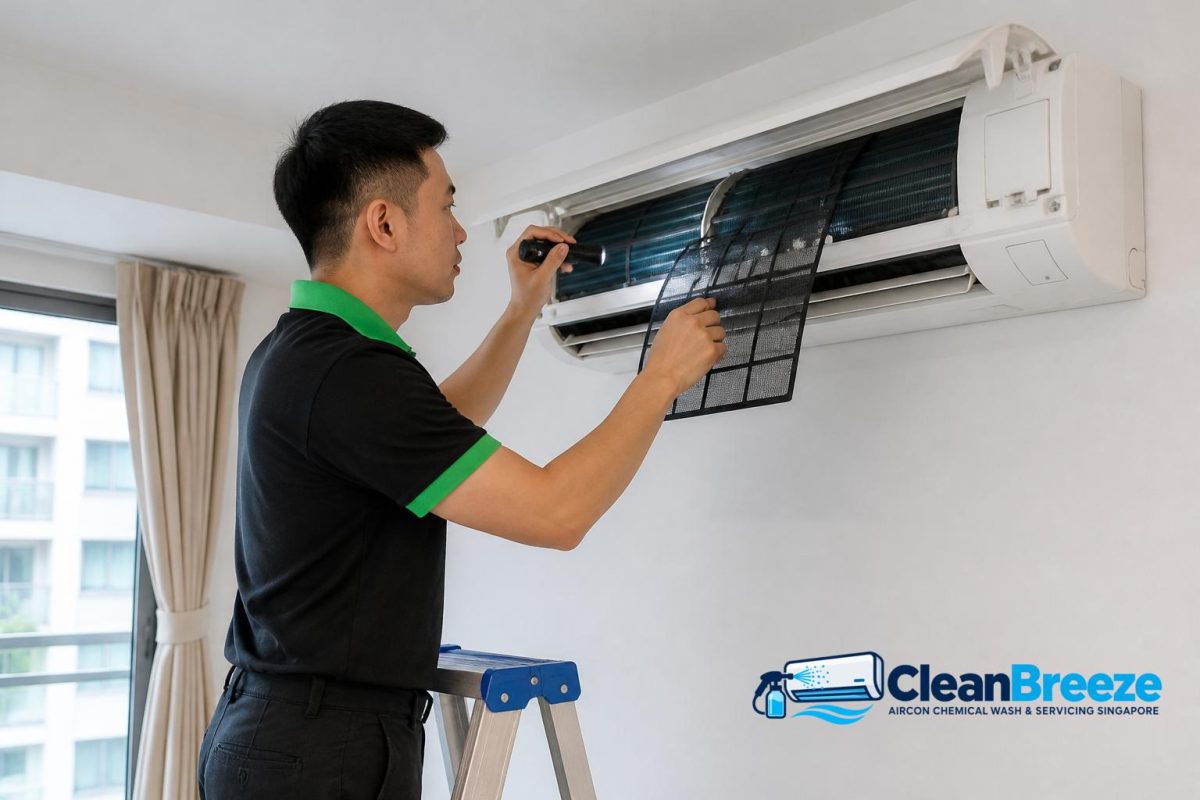
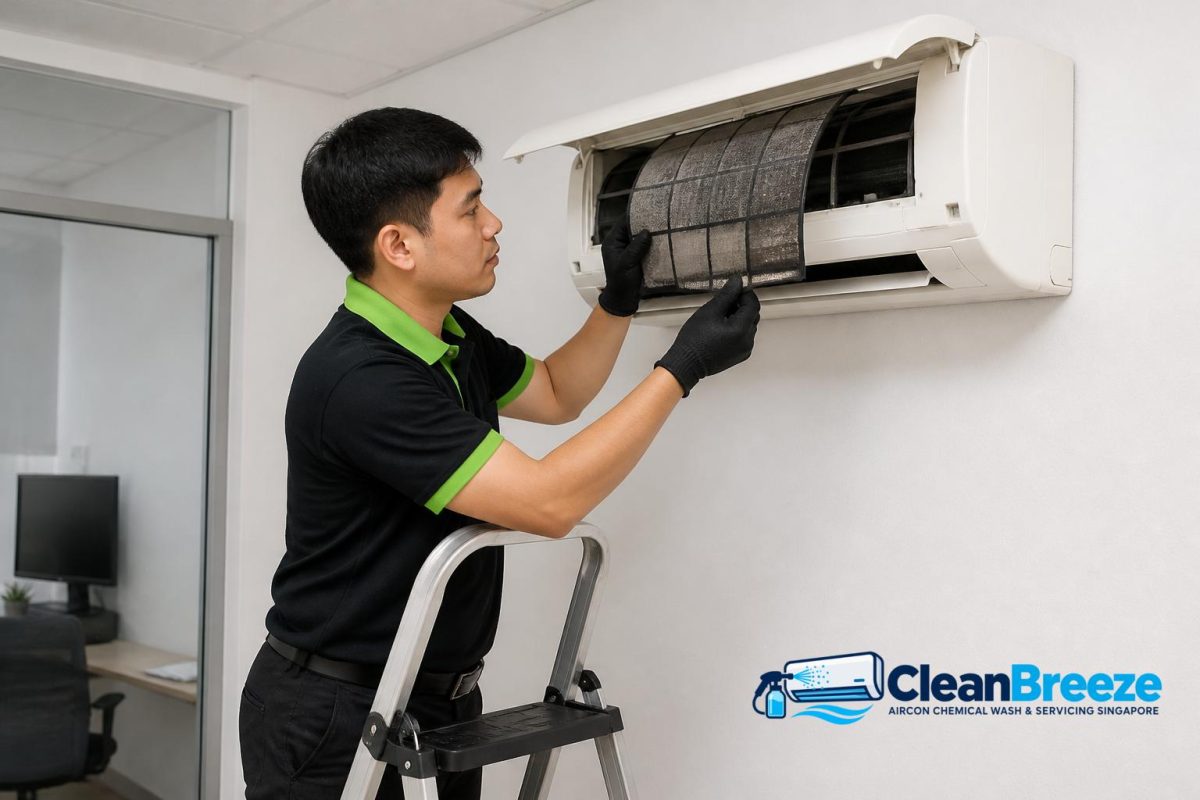
Most maintenance contracts include recurring routine servicing rather than automatic chemical treatment. That generally means inspection of the unit’s overall condition, cleaning of the filter, wiping of accessible surfaces, checking the fan coil area as far as it can be safely reached, clearing of drainage points where applicable, and testing the unit’s basic operation after the work is done.
Depending on the provider and the contract terms, it may also include labour for a fixed number of indoor units per visit, scheduled visit reminders, and a service record. Some contracts are designed for a whole household in an HDB or condo, while others suit landed homes or small commercial premises with multiple split units.
What is included should be written clearly. If the contract only covers routine servicing, it should not be assumed to include chemical wash, chemical cleaning, chemical overhaul, spare parts, or fault repair unless those items are stated separately.
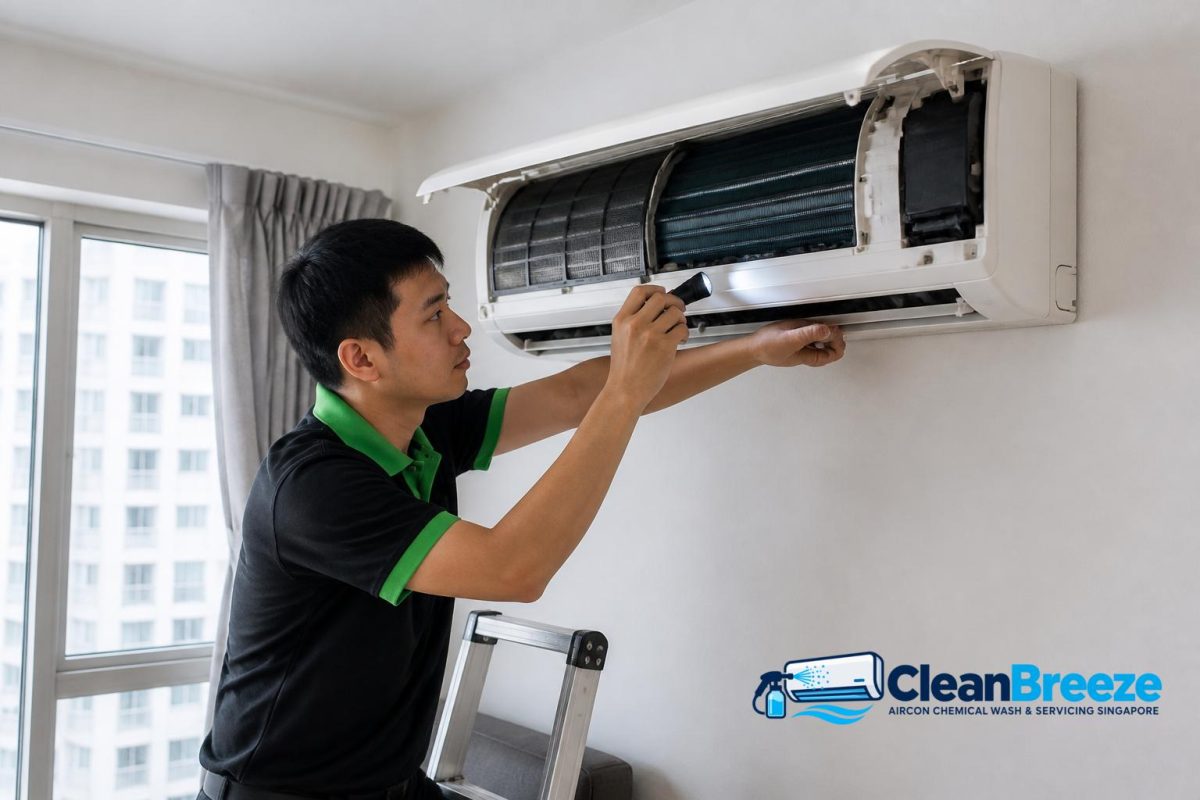
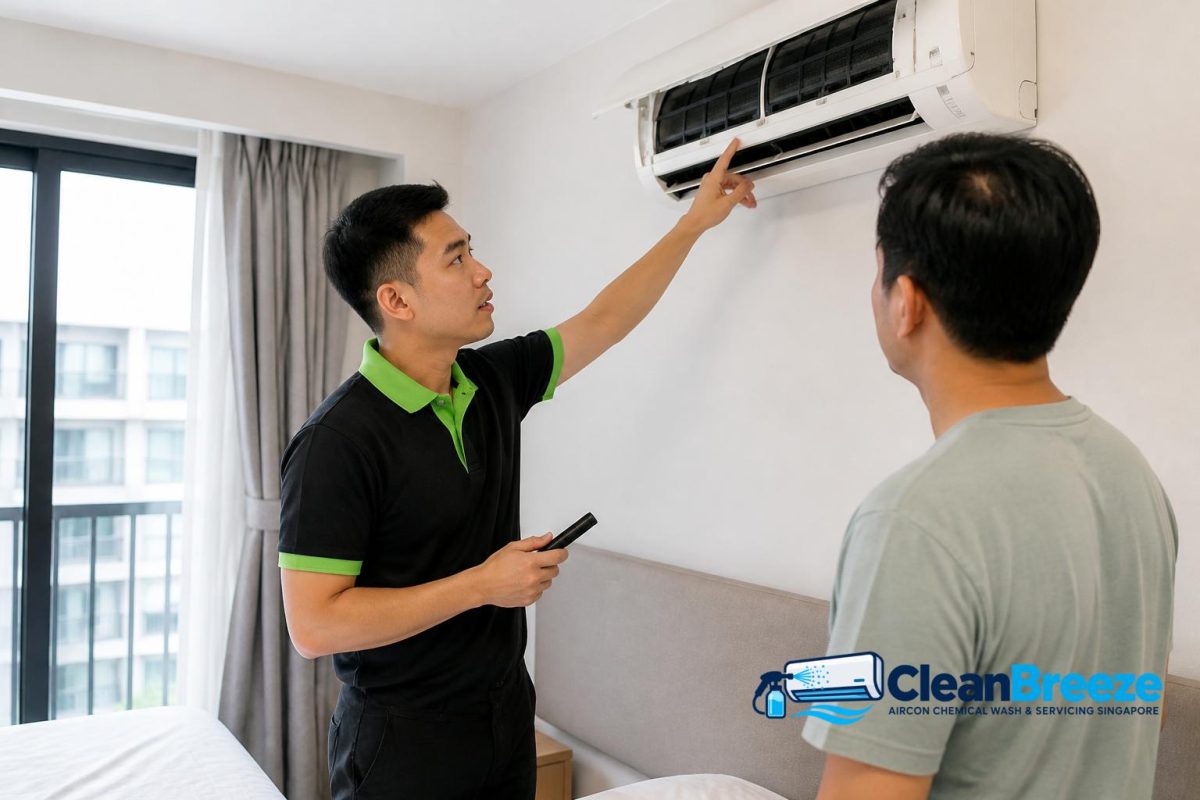
How the service scope is assessed before work starts
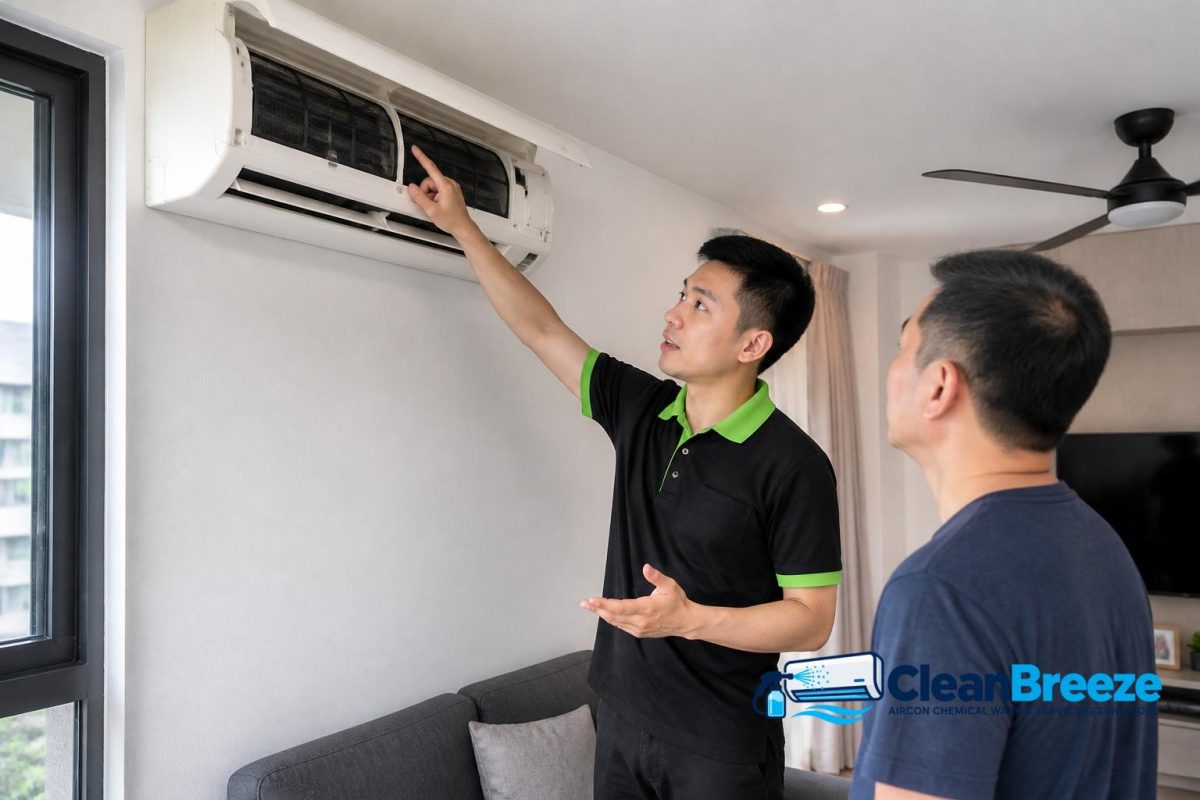
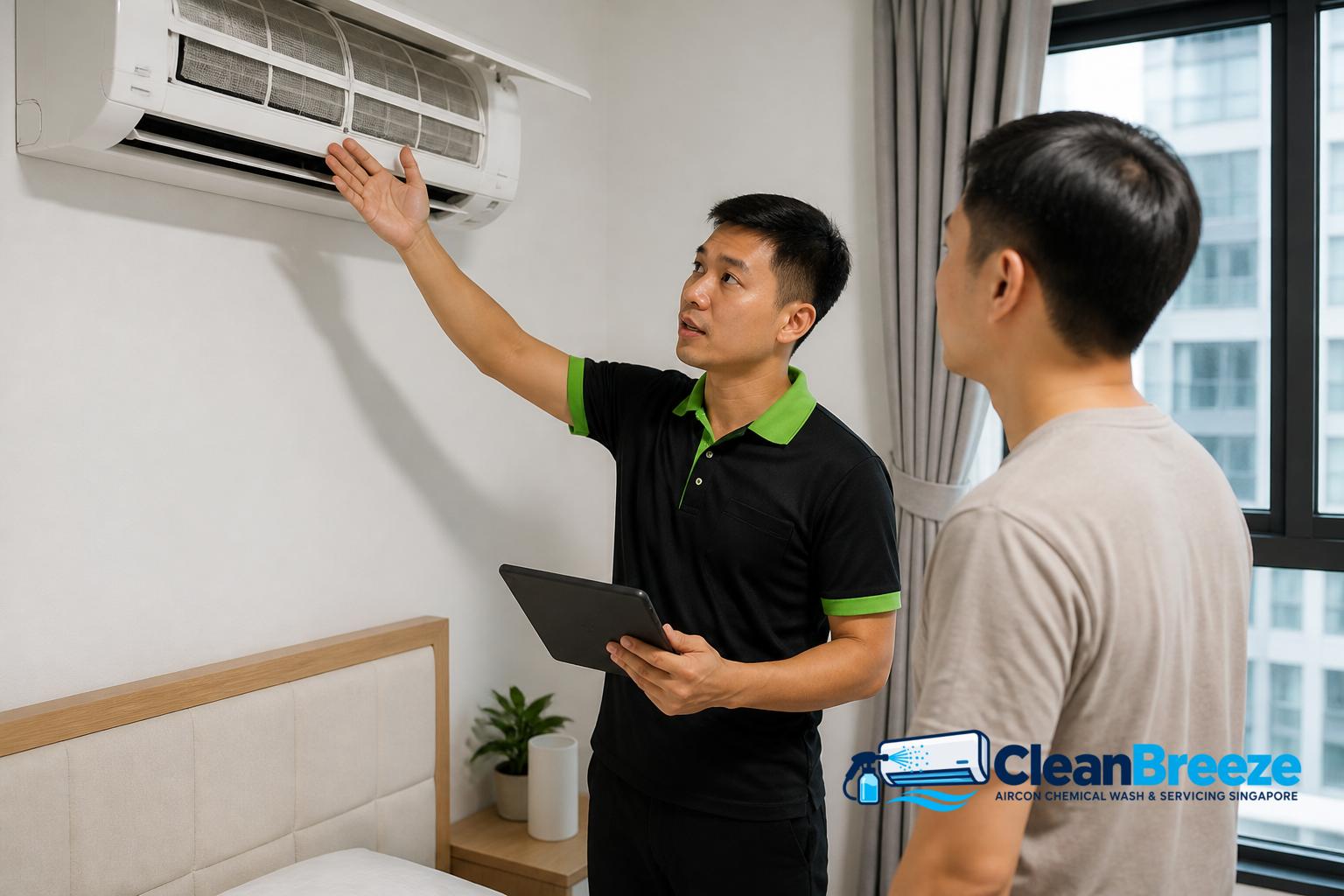
A good maintenance contract should not use a one-size-fits-all approach. The technician should first assess the current condition of the unit, including visible dirt level, airflow, odour, drainage behaviour, and whether the unit has signs of heavier internal build-up. This is important because a unit in normal condition may only need routine servicing, while a more heavily affected unit may need a deeper method.
Assessment-first planning helps avoid unnecessary work. For example, a condo bedroom unit with light dust on the filter may only need regular servicing, while a living room unit that has persistent odour or recurring drainage issues may need a more thorough cleaning discussion. The exact recommendation should be based on condition, not automatic upselling.
When routine servicing is enough, and when a deeper clean may be discussed
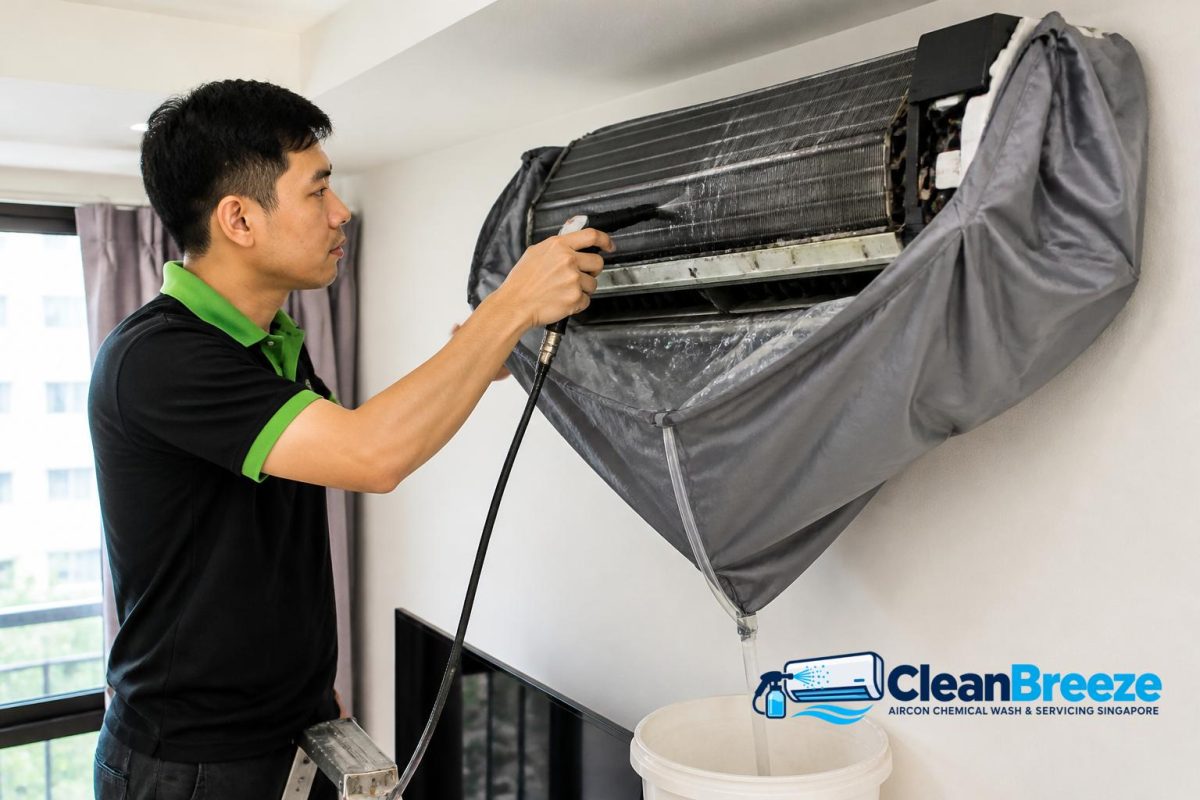
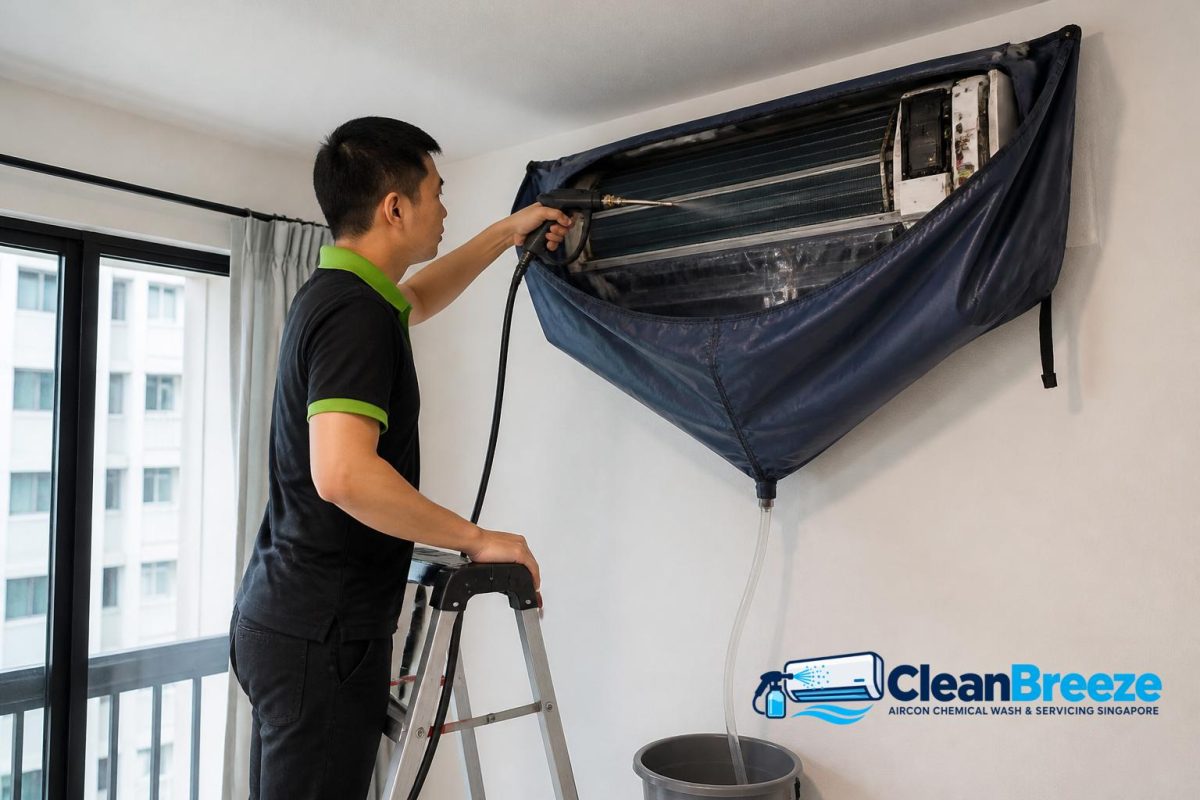
Routine aircon servicing is the starting point for many homes and offices. It is suitable when the unit is generally functioning normally and only needs preventive care and accessible cleaning. This is different from chemical wash or chemical cleaning, which are more intensive and use protective setup and controlled in-place treatment when the unit’s condition warrants it.
If there is heavier internal dirt, stubborn odour, or water flow concerns, the provider may explain whether a chemical wash or chemical cleaning is appropriate. That is not the same as saying every contract should include it. A maintenance contract should leave room for assessment and the right method, rather than assuming the deepest option is always necessary.
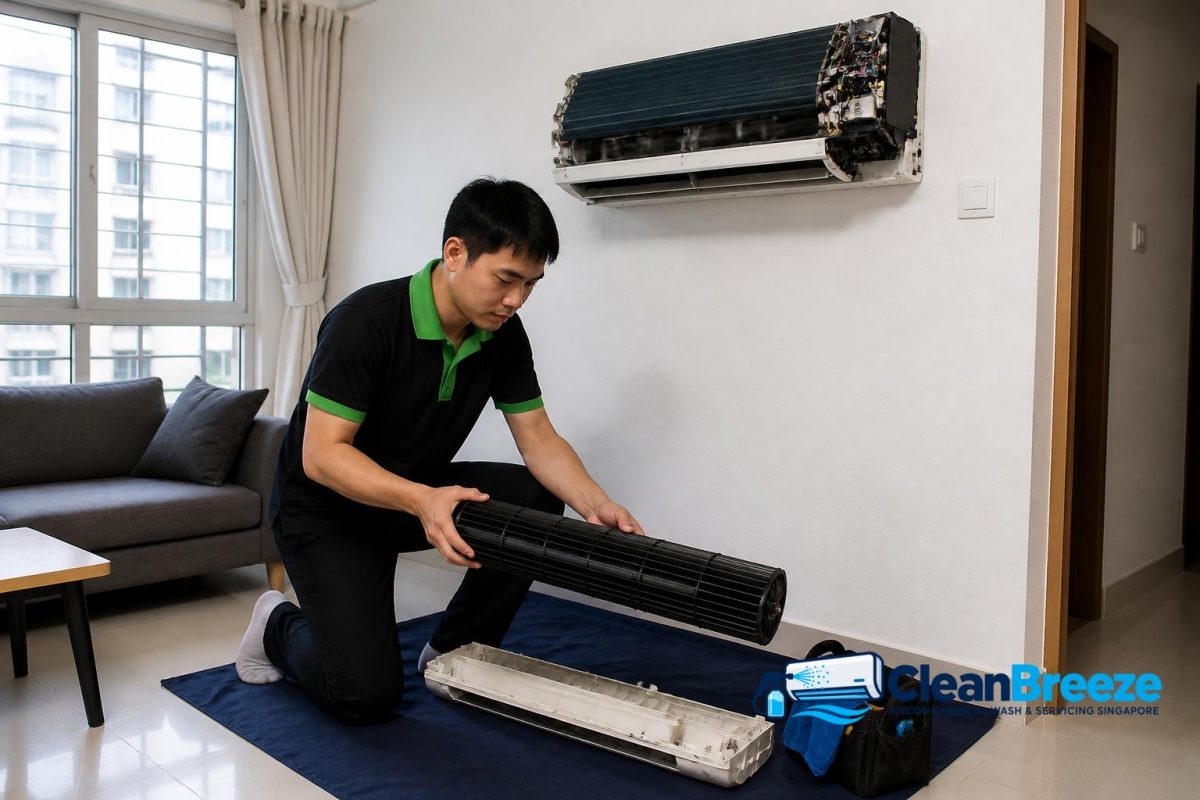
For more severe build-up or situations where certain serviceable components should be removed for a fuller treatment, a chemical overhaul may be discussed. Even then, it should only be proposed where appropriate after inspection, not as a default for every service visit.
What equipment and safeguards are usually involved
For routine maintenance, the technician typically works with basic cleaning tools, protective sheets, cleaning cloths, brushes and equipment used for routine servicing. The purpose is to clean the accessible areas, keep the surroundings tidy, and minimise mess in homes and offices.
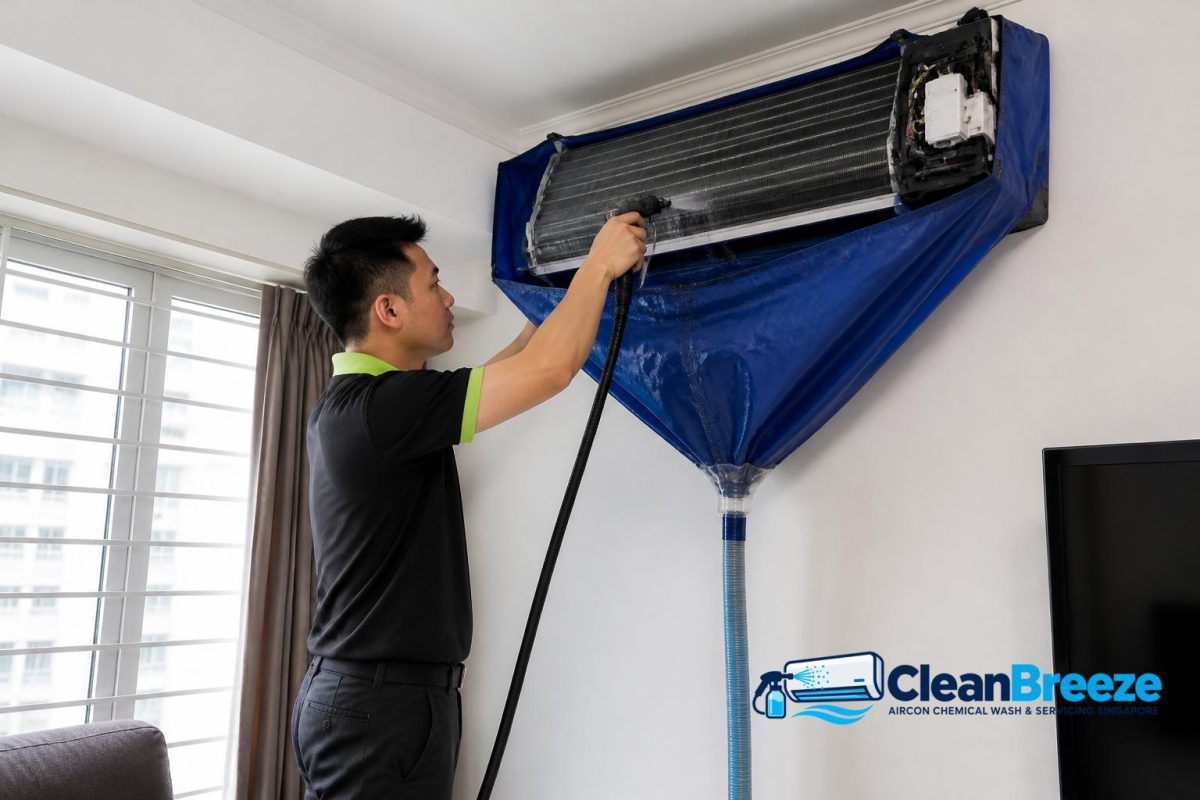
If a chemical wash or chemical cleaning is eventually recommended under the contract, the process should involve proper protection of the surrounding area and controlled application suitable for the unit’s condition. This is different from casual cleaning and should not be treated as routine filter wiping. Where a chemical overhaul is appropriate, the work may involve removing serviceable components for deeper treatment before reassembly.
In Singapore properties, this matters because aircon units are often installed above beds, in compact service yards, or in shared office spaces. A proper contractor should work neatly and explain what will be touched, protected or removed before starting.
What to look for in contract terms and quotation details
Because maintenance contract pricing can vary widely, it is better to compare what is included than to focus on a number alone. Factors that affect quotation details include the number of indoor units, visit frequency, property type, level of access, and whether the contract is for routine servicing only or also allows for deeper cleaning options when needed.
You should also check whether the contract states travel charges, after-hours arrangements, minimum unit count, visit scheduling rules, and whether follow-up work is billed separately. If a provider mentions chemical wash, chemical cleaning or chemical overhaul as possible add-ons, the conditions for recommending them should be explained clearly in advance.
For HDB and condo households, a practical contract is one that covers the regular servicing rhythm without confusing it with unnecessary intensive cleaning. For landed homes or small offices with more units, the contract should also make it easy to plan staggered visits and keep records of each unit’s service history.
Why a maintenance contract can be useful for Singapore households and small premises
Singapore’s warm, humid weather means air conditioners work hard throughout much of the year. A sensible maintenance contract helps owners keep up with care consistently, especially in homes where units are used nightly or in offices where comfort affects daily productivity.
It can also make budgeting simpler. Instead of treating servicing as an occasional emergency expense, you have a recurring arrangement with a known scope. That said, the contract should still remain flexible enough to match the actual condition of each unit. A unit that only needs routine servicing should not be pushed into a chemical treatment just because it is on a contract.
For families in HDBs or condos, this often means choosing a plan that keeps bedrooms and living areas serviced regularly. For landed homes and small commercial spaces, it may mean coordinating several indoor units under one maintenance schedule so each unit is checked at sensible intervals.
If you need help with an aircon maintenance contract in Singapore, WhatsApp CleanBreeze Aircon Chemical Wash & Servicing Singapore with your symptoms, unit age, condition, unit count and property type, and we can assess whether routine servicing, chemical washing, chemical cleaning, chemical overhaul or a maintenance contract is the right fit before recommending a cleaning tier.
Conclusion
An aircon maintenance contract in Singapore should give you recurring preventive care, clear inclusions and an assessment-first approach. The best contract is not the one that automatically promises the deepest treatment, but the one that matches the unit’s actual condition with the correct service scope. Routine servicing is often sufficient, while chemical wash, chemical cleaning or chemical overhaul should only be discussed when inspection shows they are suitable.
When the scope is written properly, homeowners and small businesses can keep their aircon units in better order, plan servicing more easily, and avoid confusion over what is or is not included. That clarity is the main value of a good maintenance contract.
Choose CleanBreeze Aircon Chemical Wash & Servicing Singapore
CleanBreeze Aircon Chemical Wash & Servicing Singapore provides professional aircon chemical wash, aircon chemical overhaul and aircon cleaning for residential and commercial air conditioning units. Our team handles different levels of cleaning based on the condition of each unit, from removing accumulated dirt and dust to carrying out more thorough treatment for heavier buildup. Regular aircon servicing and aircon maintenance are also available to support the ongoing upkeep of air conditioning units. These services help keep important aircon components cleaner while supporting better airflow and more consistent cooling performance.
CleanBreeze Aircon Chemical Wash & Servicing Singapore assesses the condition of each unit before recommending a suitable service based on its cleaning and servicing requirements.Check our blog for practical information on aircon-related services, and explore our portfolio to view examples of completed services across Singapore. For servicing or cleaning enquiries, WhatsApp us at +65 8241 0032 to speak with our team.
Frequently Asked Questions
Does an aircon maintenance contract always include chemical wash?
No. A maintenance contract usually covers recurring routine servicing and accessible cleaning. Chemical wash or chemical cleaning should only be included if the contract states it, or if an assessment shows the unit needs a deeper method.
How often should aircon servicing be done under a contract?
That depends on how frequently the unit is used, the property type and the contract terms. Many Singapore homes and small premises choose scheduled servicing at regular intervals so the unit is maintained before dirt and performance issues build up.
Can one contract cover HDB, condo or landed home units?
Yes, but the scope should match the number of units, access conditions and service frequency required. The quotation should clearly state what is covered for each unit, especially if multiple indoor units are involved.