An aircon servicing contract in Singapore is essentially a recurring arrangement for scheduled aircon servicing, so your units are checked and cleaned at agreed intervals rather than only when something feels off. For households in HDB flats, condominiums and landed homes, as well as small offices or shop units, the key is understanding what is included in the contract, what is assessed on site, and when a more intensive service such as chemical washing or chemical cleaning may be appropriate after inspection.
What a servicing contract usually covers
A servicing contract is built around routine preventive care. In most cases, that means repeated aircon servicing visits over a set period, with attention to accessible parts of the indoor unit and basic operational checks. The purpose is to keep the system in reasonable working condition, reduce avoidable build-up, and spot symptoms early before they develop into a bigger maintenance issue.
The exact scope can vary from provider to provider, so it is important not to assume every contract includes chemical wash, chemical cleaning or chemical overhaul. Some contracts focus only on standard servicing, while others may offer add-on options if the unit condition justifies a deeper treatment. The contract should be read as a service schedule, not as a guarantee that every visit will involve the same level of work.
How the contract works in practice
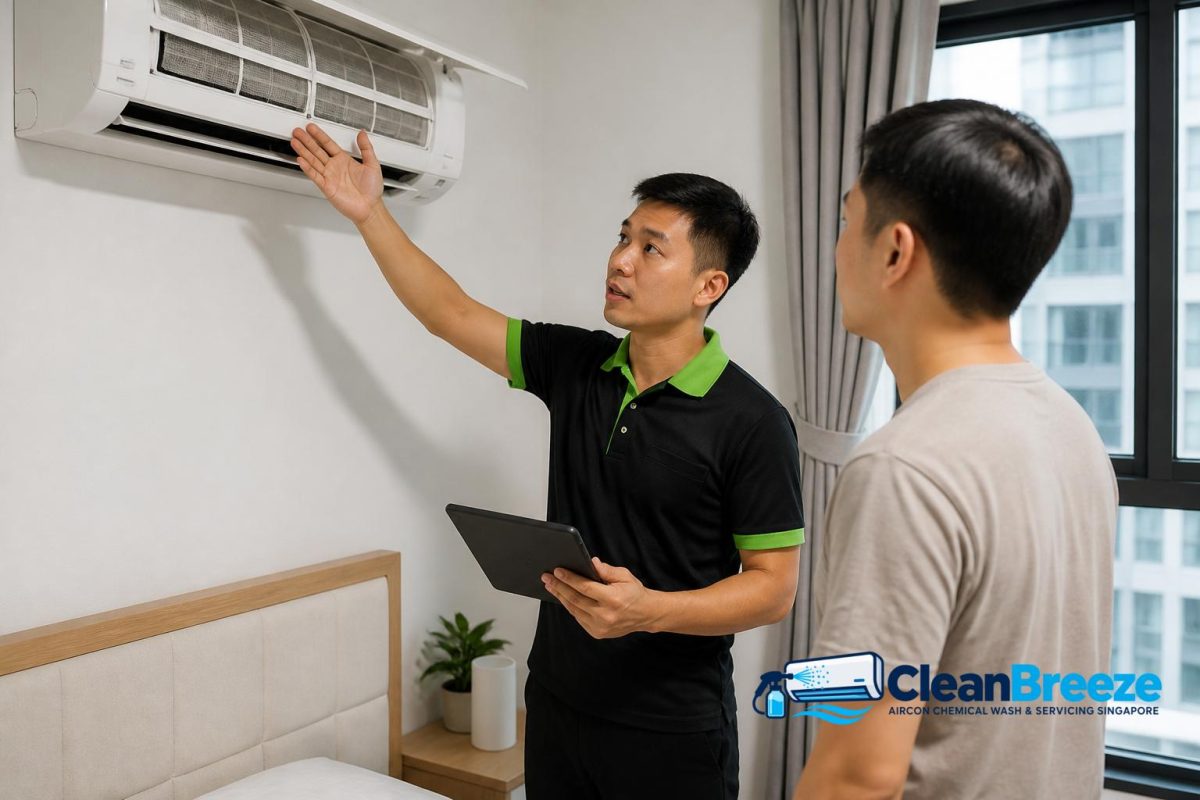
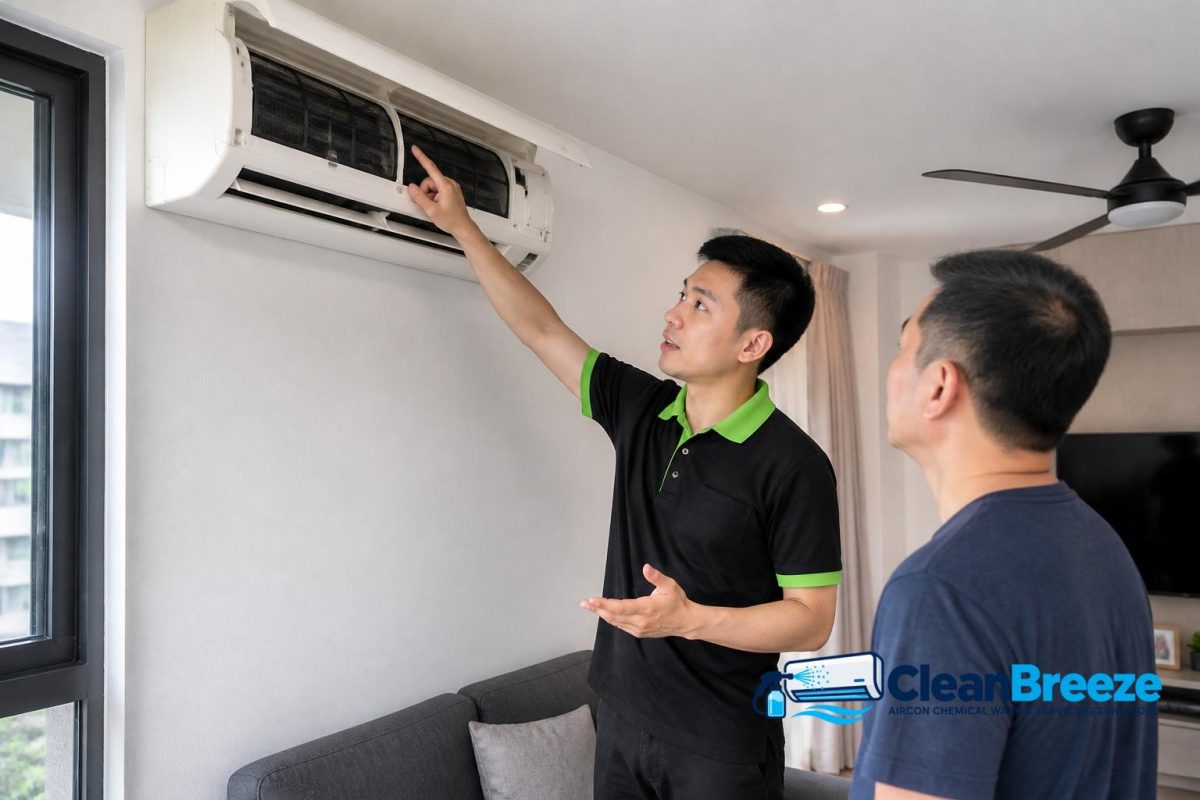
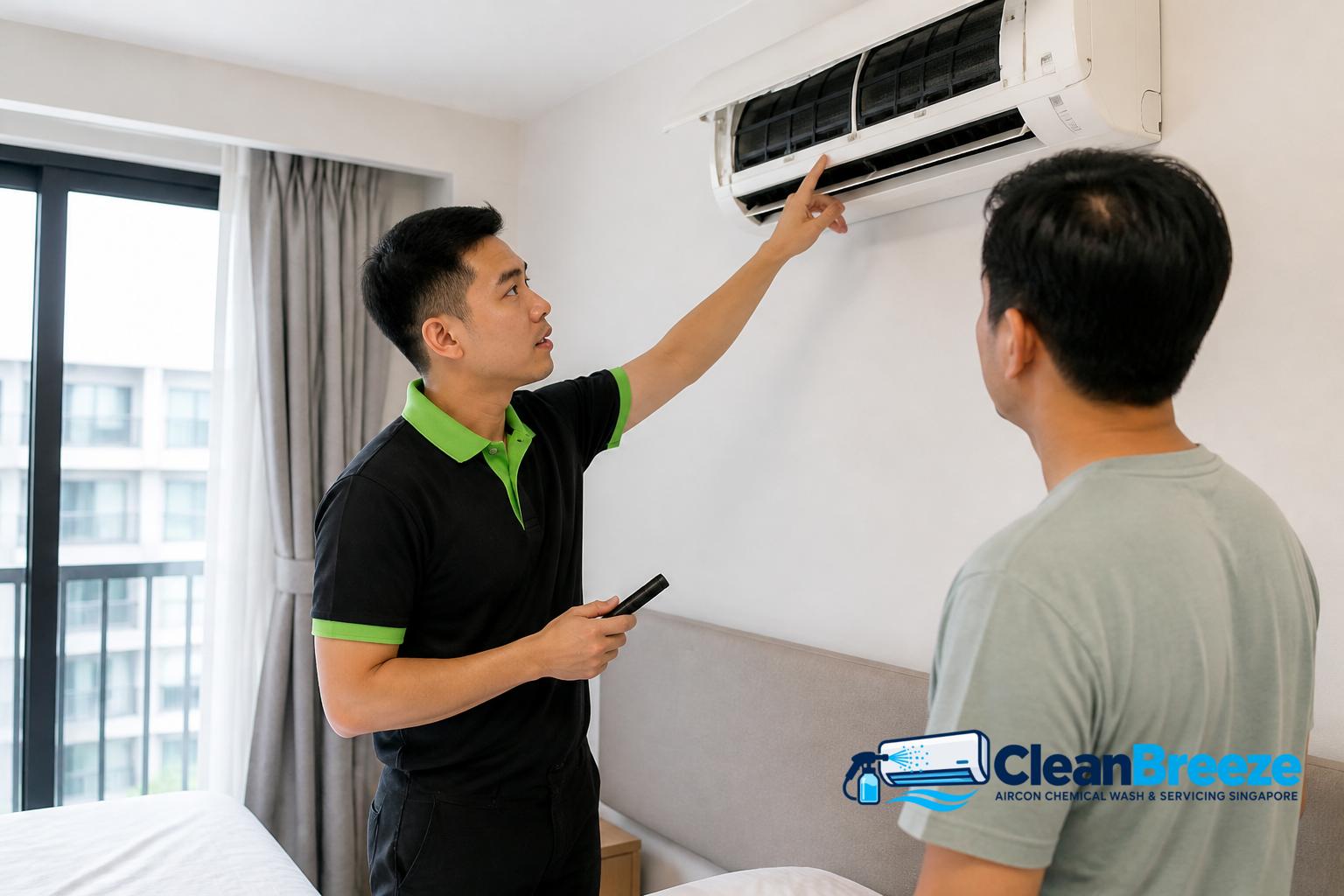
Most servicing contracts begin with an initial assessment and a discussion of your unit count, property type and usage pattern. A 3-bedroom condo with regular evening use, for example, may have different servicing needs from a lightly used landed guest room or a small office meeting room. The technician then recommends a recurring plan that suits the current condition and maintenance frequency.
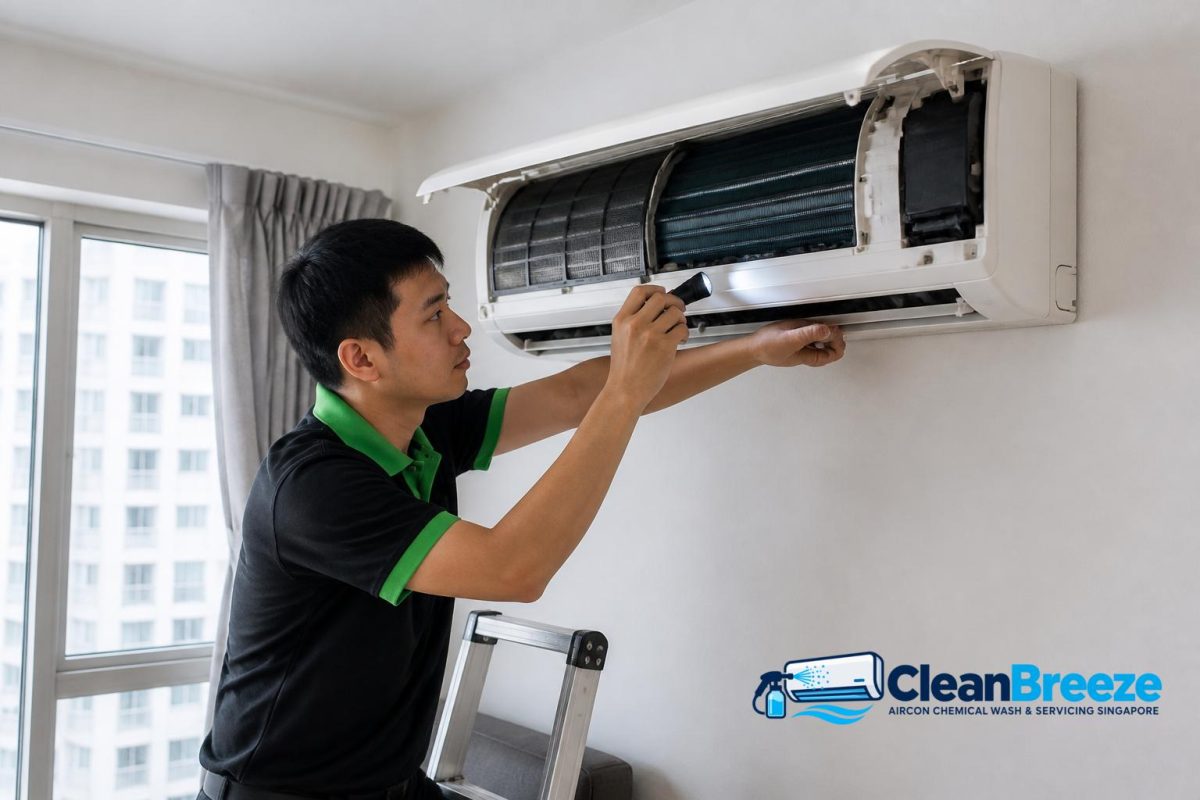
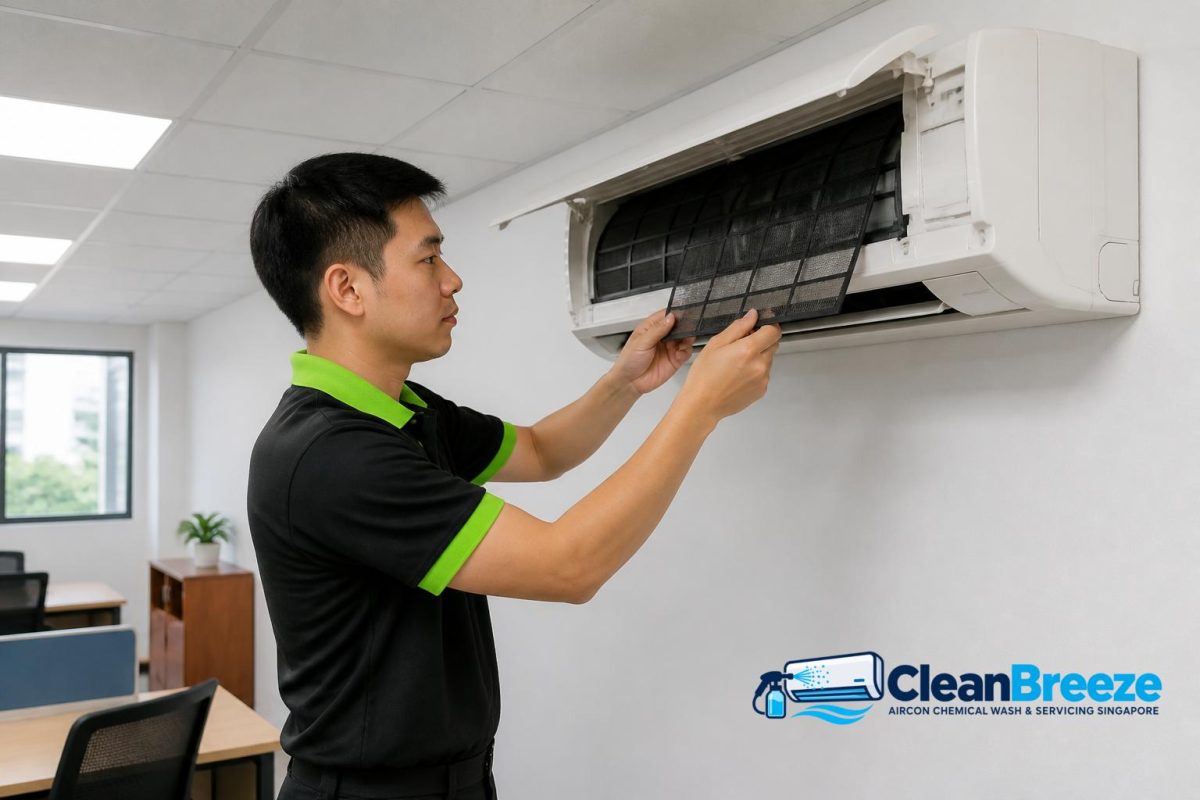
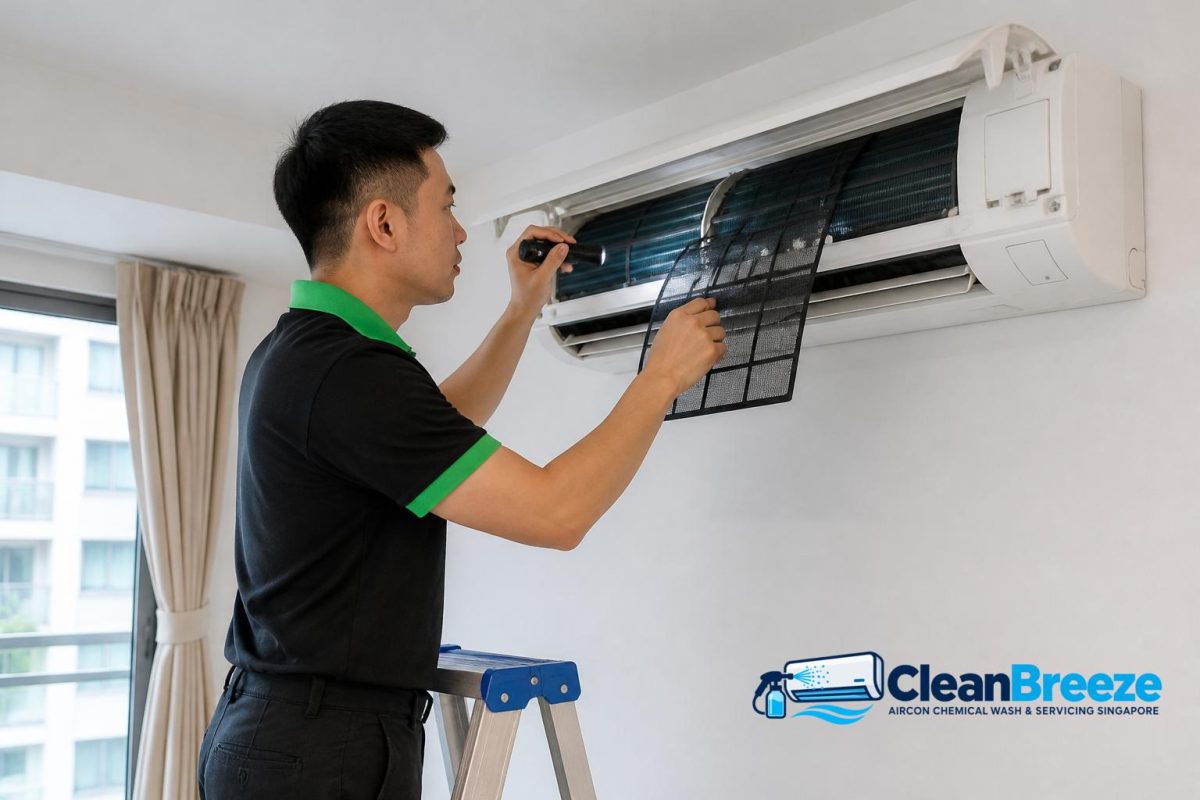
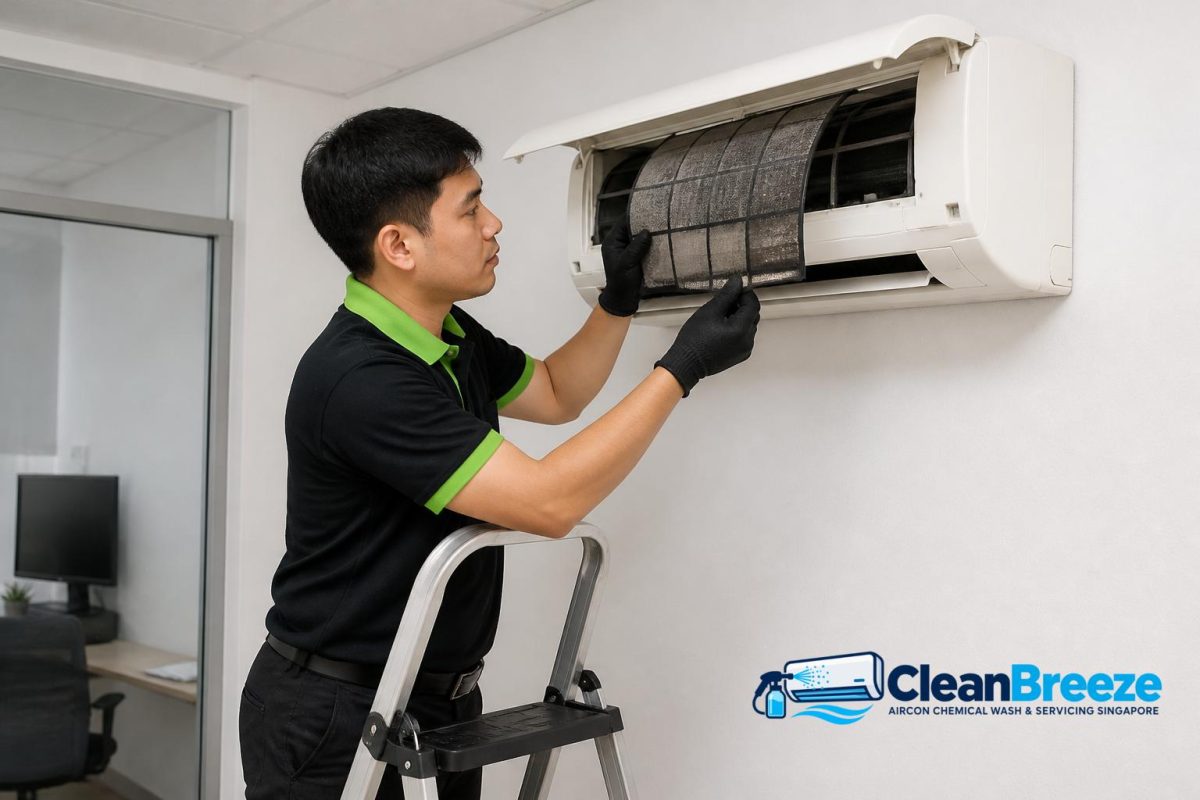
On each visit, the technician carries out the agreed aircon servicing tasks, which may include checking the unit’s general condition, cleaning accessible surfaces and filters where applicable, and observing signs such as weak airflow, unusual odour or visible dirt build-up. These observations help decide whether routine servicing remains sufficient or whether a more intensive in-place chemical wash or chemical cleaning should be considered.
Routine servicing versus chemical wash or chemical cleaning
Routine servicing is not the same as chemical work. Standard servicing is usually suitable when the unit is still reasonably clean and functioning normally, with no strong indications that deeper treatment is required. It is the first line of preventive care, especially for homes that service their units regularly.
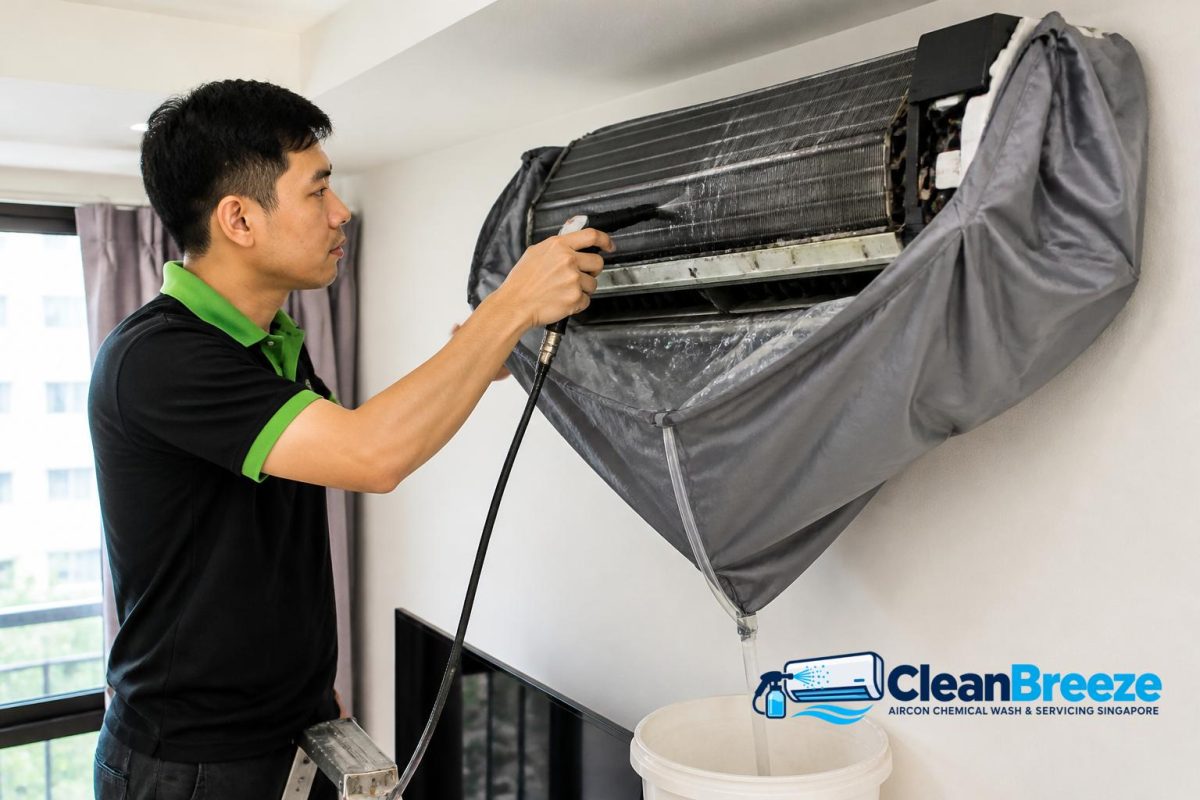
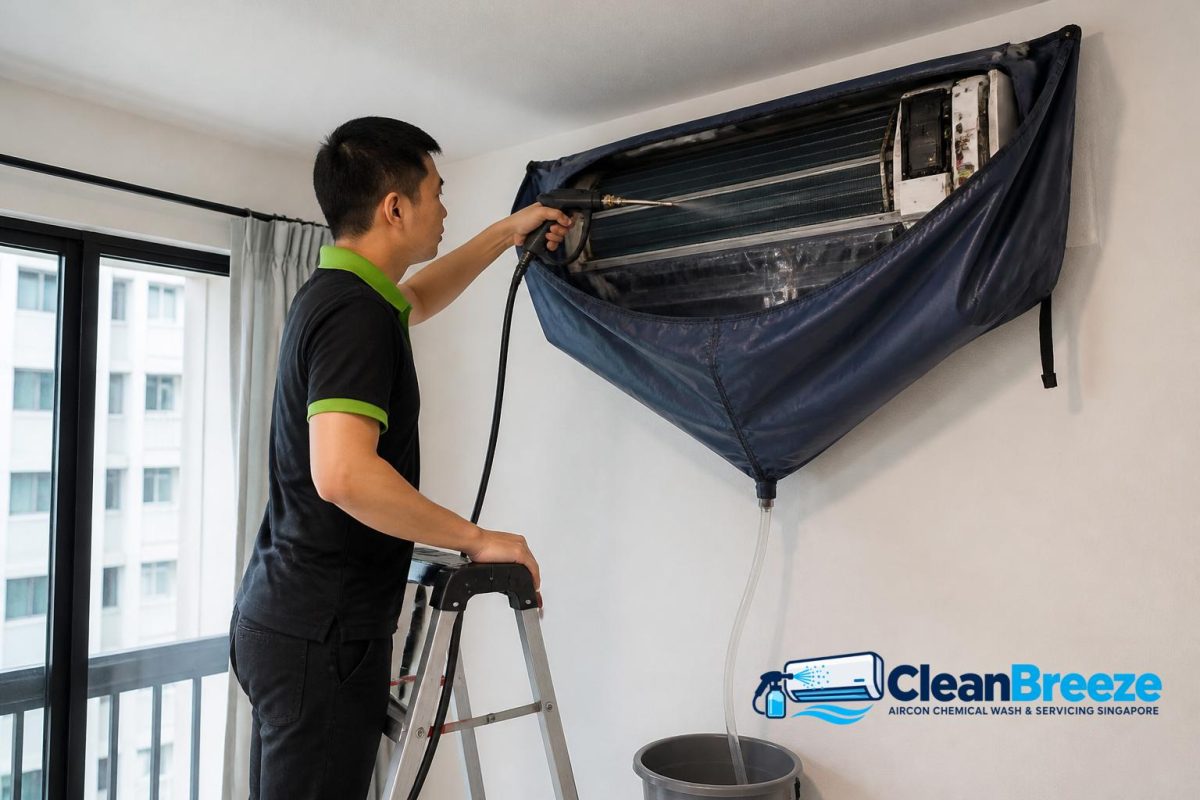
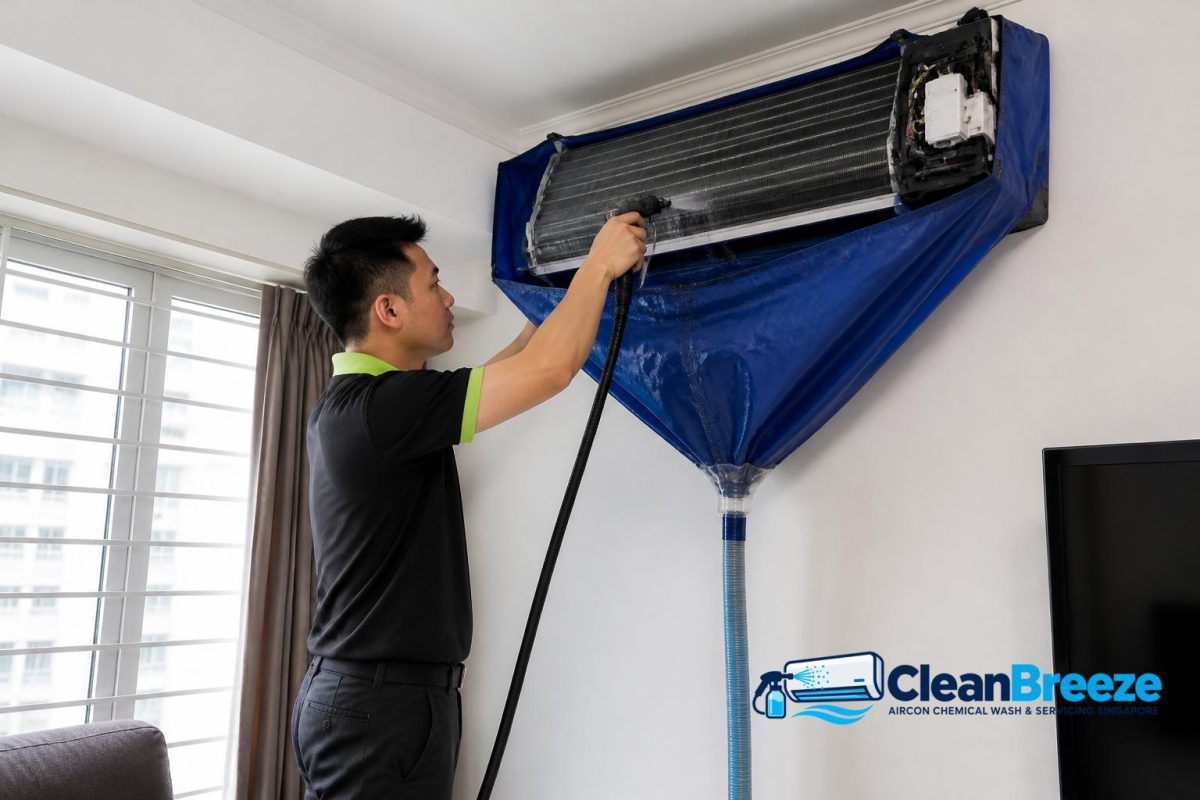
A chemical wash or chemical cleaning is more controlled and protective. It is generally considered when there is heavier internal build-up, persistent odour, reduced performance symptoms or condition-based reasons that basic servicing may not fully address. In such cases, the technician may set up protective coverings and carry out in-place treatment to reach parts not covered by ordinary cleaning. This is not automatic and should be recommended only after assessment, not by default.
When a more intensive chemical overhaul may be discussed
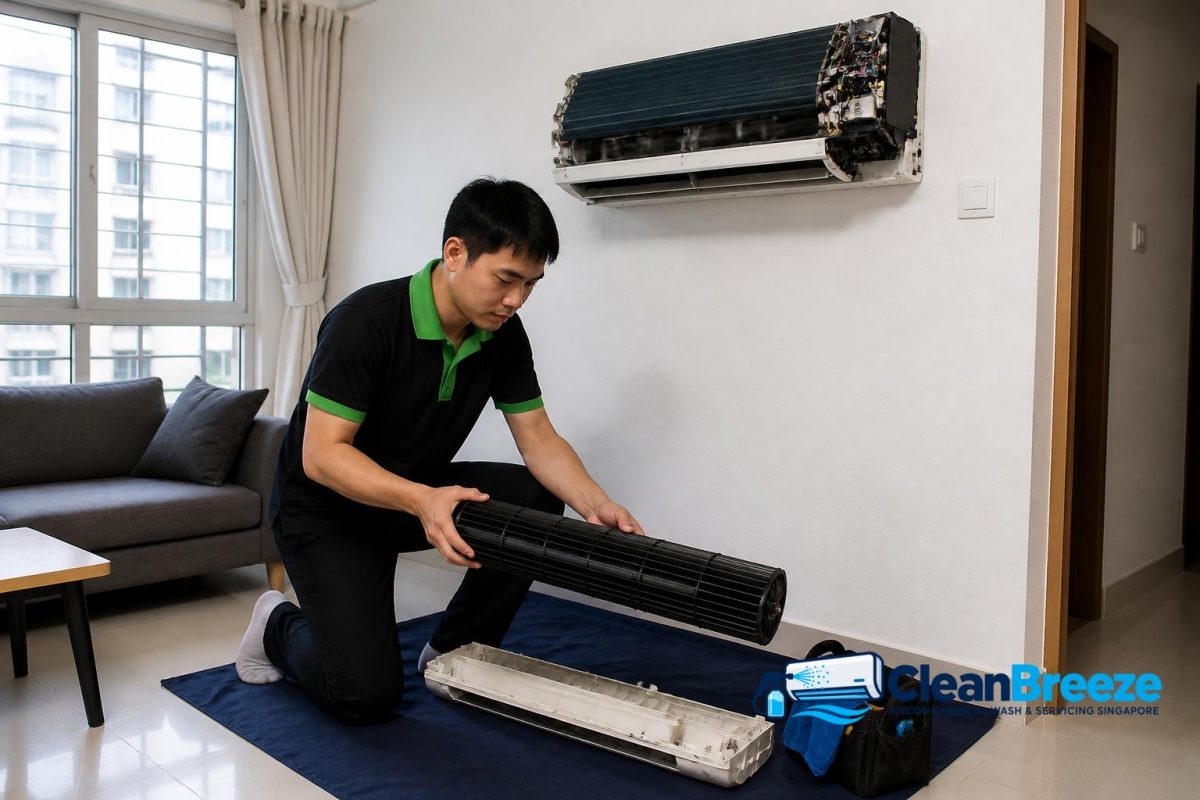
A chemical overhaul is a more extensive procedure and is not the same as routine servicing. It may involve removal of serviceable components where appropriate, followed by a more thorough cleaning process before reassembly. It is usually considered when the unit condition suggests that a deeper intervention is needed, rather than as a standard inclusion in a servicing contract.
In Singapore homes, this may come up when a unit has been left untreated for a long time, has repeated odour concerns, or shows a level of internal build-up that routine servicing alone is unlikely to address. Even then, a responsible provider should assess first and explain why a chemical overhaul is being suggested, instead of assuming every dirty unit needs dismantling.
What technicians typically inspect during scheduled visits
A proper servicing contract should not be reduced to a quick wipe-down. During a scheduled visit, technicians generally assess the unit condition, inspect accessible components, and look for signs that affect maintenance decisions. That might include filter condition, general cleanliness of the indoor unit, drain area observations, airflow impression and visible wear from normal use.
This assessment-first approach is especially useful in Singapore properties where usage patterns differ. In an HDB bedroom that is used only at night, basic servicing may be adequate for longer. In a condo living room used daily, or a landed home study room that runs for long hours, the technician may note different cleaning needs. The decision should follow the condition seen on site, not a fixed upsell script.
What affects servicing contract pricing and quotations
For contract pricing, it is better to ask for a quotation based on the actual scope than to compare vague package names. Factors that commonly affect cost include the number of units, service frequency, property type, access conditions and whether the contract is for routine servicing only or allows for deeper work when required. More involved procedures naturally need more time, preparation and care.
Do not expect every quoted contract to include the same items. One provider may quote for regular aircon servicing visits only, while another may build in conditional recommendations for chemical wash or chemical cleaning after assessment. If the unit needs more extensive attention, a separate quotation is typically more appropriate than forcing a one-size-fits-all contract structure.
How homeowners and offices can judge if a contract is suitable
For a Singapore household, the right contract is usually the one that matches usage and unit condition without overcommitting to unnecessary treatments. If your units are serviced regularly and remain in decent condition, routine servicing in a scheduled contract may be enough. If there are recurring symptoms or visible build-up, it makes sense to ask whether a deeper service should be considered after inspection.
For offices or commercial premises, consistency and planning matter just as much. A contract helps coordinate recurring visits around operating hours and usage levels, but it should still remain assessment-based. The best arrangement is one where the provider explains what will be done at each visit, what remains optional, and what would trigger a recommendation for chemical wash, chemical cleaning or chemical overhaul.
If you are considering an aircon servicing contract in Singapore, WhatsApp CleanBreeze Aircon Chemical Wash & Servicing Singapore with your symptoms, unit age, condition, unit count and property type so the team can assess whether routine servicing, chemical wash, chemical cleaning, chemical overhaul or a maintenance contract is the better fit before recommending any cleaning tier.
Conclusion
An aircon servicing contract works best when it is treated as a recurring maintenance arrangement, not a blanket promise that every visit will involve deeper treatment. The most sensible approach is assessment first: confirm the unit condition, carry out routine servicing where sufficient, and only discuss chemical wash, chemical cleaning or chemical overhaul when the symptoms and inspection findings justify it. That way, Singapore homeowners and businesses can plan maintenance more clearly and avoid paying for work that the unit does not yet need.
Choose CleanBreeze Aircon Chemical Wash & Servicing Singapore
CleanBreeze Aircon Chemical Wash & Servicing Singapore provides professional aircon services for residential and commercial properties across Singapore, with solutions ranging from routine upkeep to more thorough cleaning. Regular aircon servicing, aircon maintenance and aircon cleaning help keep air conditioning units properly maintained, while aircon chemical wash is suitable when dirt, dust and buildup begin to affect airflow or cooling performance. For units that require a more extensive level of treatment, aircon chemical overhaul provides a deeper cleaning option.
CleanBreeze Aircon Chemical Wash & Servicing Singapore considers the condition of each unit before recommending a suitable approach, helping customers choose the level of servicing or cleaning that matches their needs. For more useful information, visit our blog for practical insights on aircon-related services, or browse our portfolio of projects to see examples of services completed for residential and commercial properties. Planning to service or clean your aircon? WhatsApp us at +65 8241 0032 to speak with our team.
Frequently Asked Questions
Does an aircon servicing contract always include chemical wash?
No. A servicing contract usually covers scheduled routine servicing, while chemical wash or chemical cleaning is normally recommended separately if the unit condition calls for deeper treatment.
How often should a contract visit be scheduled?
The frequency depends on usage, property type and unit condition. A regularly used condo living area may need more frequent servicing than a lightly used room, but the final schedule should be based on assessment and practical need.
Can a provider decide on-site whether chemical overhaul is needed?
Yes, an on-site assessment is the proper way to judge whether routine servicing is enough or whether a more intensive chemical overhaul should be considered. It should not be assumed in advance without checking the unit condition.